



Breaking
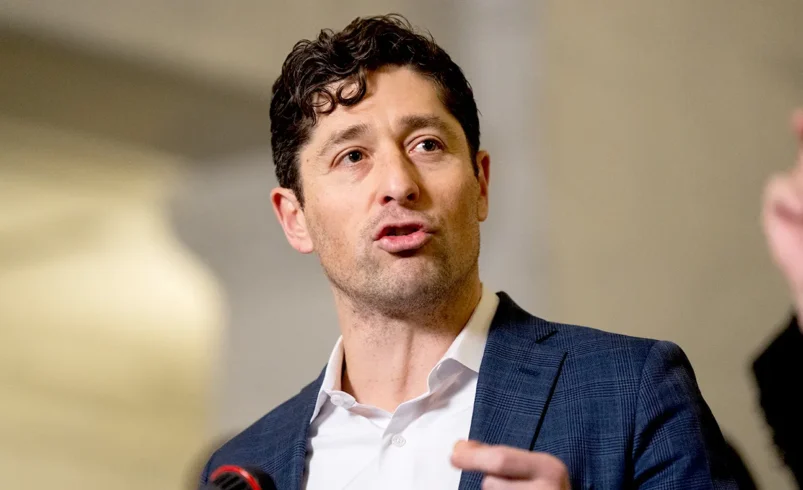
Minneapolis Mayor Jacob Frey and the Minneapolis City Council are attempting to cool years of public conflict through a city-backed effort that includes leadership development, executive coaching, strategic planning, and private sessions designed to improve how the city’s top elected officials work together. The city hired Darcy Luoma Coaching & Consulting under a three-year contract worth up to $1.4 million, according to the Minnesota Star Tribune.
The effort comes after a long stretch of visible tension between Frey and council members. The Star Tribune reported that the more progressive majority on the council has repeatedly clashed with Frey and more moderate members, with disputes sometimes spilling into public meetings, public criticism, and personal attacks. Frey has also accused the council of political gamesmanship and questionable tactics.
Details & Background
The private sessions resumed with Frey, members of his cabinet, and most council members taking part. Frey said the group left with clear agreements about conduct and expectations. He said, “Nobody benefits … if the council chambers look like a circus.” He added that people are not demanding total agreement, but they do expect officials to work in good faith for Minneapolis.
The agreement reportedly includes a commitment to avoid personal attacks, stop public bashing, and hold each other accountable. Council Member LaTrisha Vetaw said both sides worked on common ground, ground rules, and aired grievances. She also said Frey was “extremely vulnerable” about how the political bickering has affected his family.
Reactions
Council President Elliott Payne described the result as a “shared commitment” to basic principles that should not require a workshop. Payne said the group agreed to focus on policy rather than personal attacks and to “pick up the phone before you pick up the mic.” That line captures the larger problem: Minneapolis leaders have had to formalize basic standards of professional behavior.
Council Member Linea Palmisano has described City Hall as a place with a “completely hostile working relationship,” while others have said the sessions could help move the city forward. Council Member Jason Chavez said the session was productive and expressed hope that the council could move faster on issues where members agree. Vetaw, however, acknowledged skepticism, saying some officials have seen productive sessions before, only to return to the same conduct afterward.
Why This Matters to You
For taxpayers, the issue is not just whether politicians can get along. It is whether a city struggling with public safety, disorder, homelessness, drug use, downtown decline, and basic quality-of-life concerns can afford leaders who spend their energy fighting each other instead of solving problems. When a city government needs a seven-figure consulting contract to teach elected officials how to communicate, residents have every reason to question priorities.
The government should be responding with professionalism, transparency, and results. Minneapolis officials should be focused on safe streets, responsible budgets, police support, and reliable public services. Instead, the city’s internal conflict has become a story of its own. The lesson reaches far beyond Minneapolis: when ideology overtakes competence, citizens are left waiting for leadership that should have been there from the start.